



Choosing the right career path for fresh graduates can feel confusing after graduation. Many fresh graduates struggle to understand which direction to take, especially when job options seem overwhelming. Learning how to plan a clear career path for fresh graduates helps reduce uncertainty and build confidence for long-term success.
You have just completed your studies and celebrated graduation, but once the excitement fades, a new question appears: what comes next? Many fresh graduates feel overwhelmed when they start searching for jobs. The options feel endless, expectations feel unclear, and pressure builds quickly. Feeling unsure at this stage is completely normal. Choosing a career path is not about guessing or rushing. It is about understanding yourself, exploring realistic options, and making informed decisions that fit your life and long-term goals.
This guide provides clear and practical steps to help beginners build a strong career path with confidence instead of confusion.
Understanding Yourself Before Choosing a Career
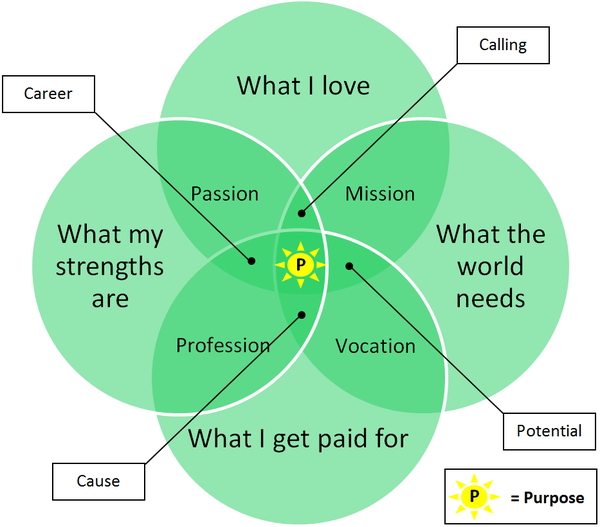
Every good career decision starts with self-assessment. External advice is useful, but your personal values, skills, and interests matter the most. When you understand what motivates you, you reduce the risk of choosing a job that looks good on paper but feels wrong in real life.
Values define what makes work meaningful to you. Some people value stability and routine, while others care more about creativity, independence, or helping others. Take time to identify what you truly need from a job. Writing down your top values helps you filter opportunities and avoid roles that conflict with your priorities.
Skills are another important part of self-assessment. Hard skills come from education or training, such as writing, coding, data analysis, or design. Soft skills, such as communication, teamwork, problem-solving, and adaptability, are transferable across industries. Both types matter. Understanding your strengths and areas for improvement helps you target roles where you can grow.
Interests also play a key role. Think about activities that keep you engaged and motivated. These interests often point toward career paths that feel natural rather than forced.

Exploring Career Options with Real Information
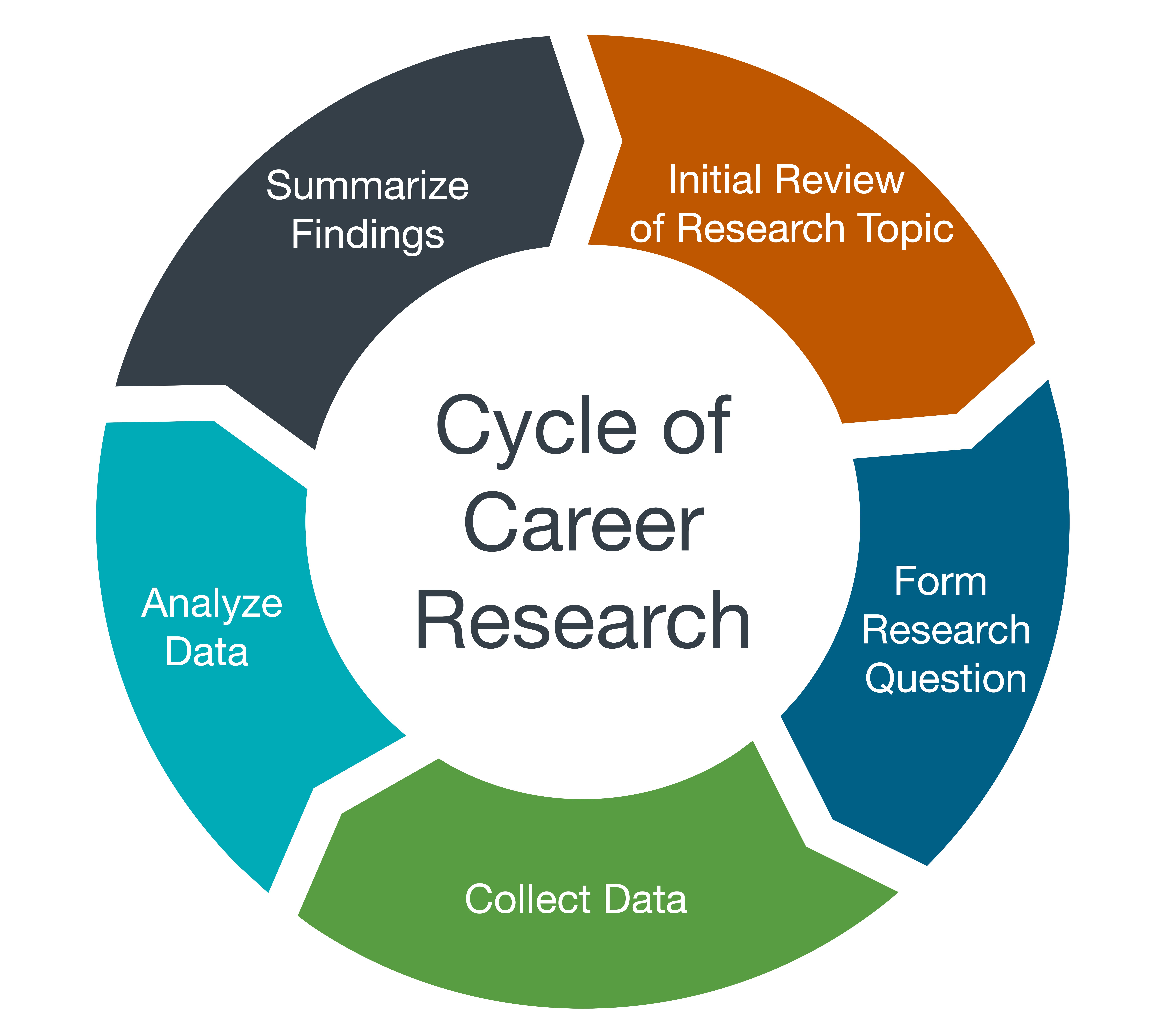
Once you understand yourself better, the next step is learning about the job market. Career exploration turns abstract ideas into realistic options. Researching industries helps you understand growth trends, required skills, and long-term opportunities.
Some industries grow faster than others due to technology and global changes. Fields like technology, healthcare, renewable energy, and digital marketing continue to expand, while others shrink or evolve. Reading industry reports and job outlooks helps you avoid paths with limited opportunities.
Talking directly to professionals provides even better insight. Informational interviews allow you to ask people about their daily work, challenges, and career journeys. These conversations often reveal details that job descriptions do not show. Even short discussions can help you decide whether a role fits your expectations.
Trying short experiences also helps. Internships, freelancing, volunteering, or job shadowing allow you to test a field without long-term commitment. These experiences reduce uncertainty and build confidence in your decisions.

Evaluating Career Choices Realistically
Dreams are important, but practical factors matter too. A realistic career choice balances interest, income, lifestyle, and growth potential. Financial planning is especially important for beginners. Entry-level salaries vary widely depending on location and industry. Comparing salary expectations with cost of living helps you avoid unnecessary stress.
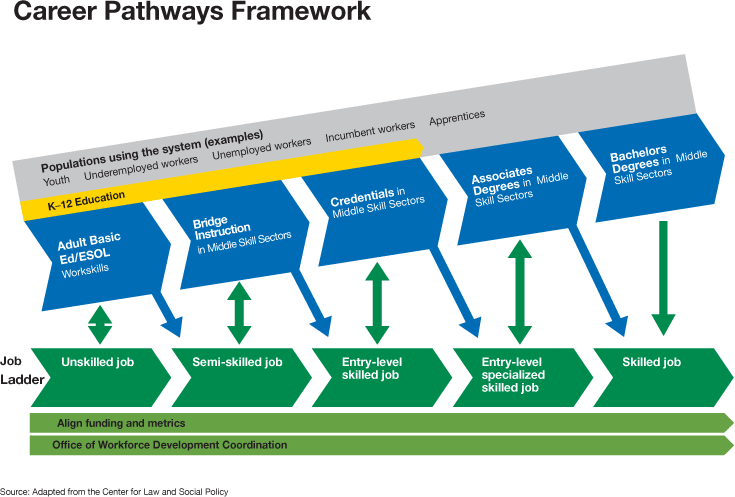
Education and training requirements also influence career choices. Some roles require additional certifications or short courses rather than advanced degrees. Evaluating the return on investment for further education helps you make smarter decisions without unnecessary debt.
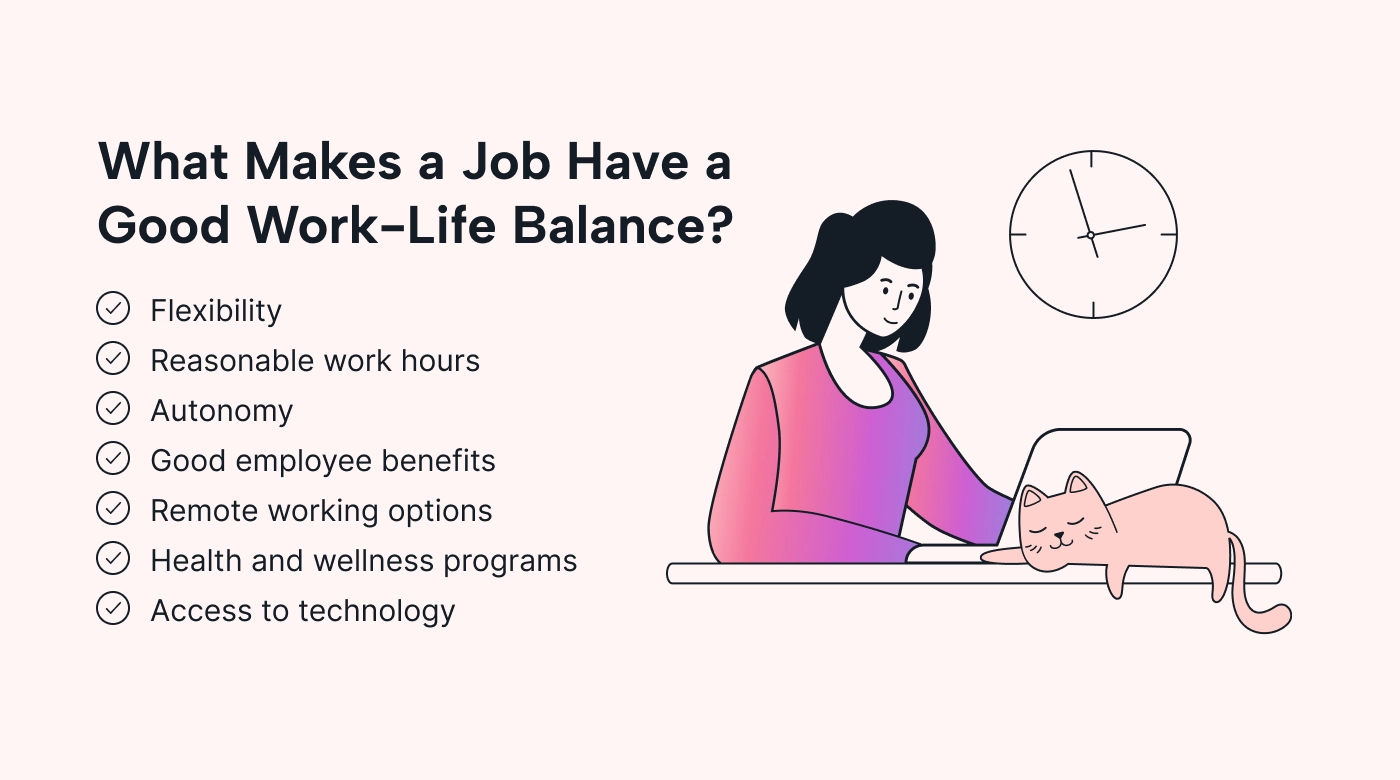
Work environment and culture affect daily satisfaction. Some people thrive in structured offices, while others prefer flexible or remote work. Understanding your preferred work style helps you choose roles where you can perform at your best and avoid burnout.

Making the Final Career Decision
Choosing a career does not require finding the perfect option. Instead, focus on finding a path that meets your most important needs right now. One helpful method is listing your top career options and comparing them based on factors such as values, income, growth, and personal interest.
Many graduates delay decisions while searching for perfection. In reality, careers change over time, and your first role does not define your entire future. Choosing a strong starting point is often better than waiting endlessly for the ideal job.
Approaching your first role as a learning period reduces pressure. Treat the first few months as a trial phase where you observe, learn, and adjust. This mindset encourages growth and flexibility.
Taking Action After Choosing a Path
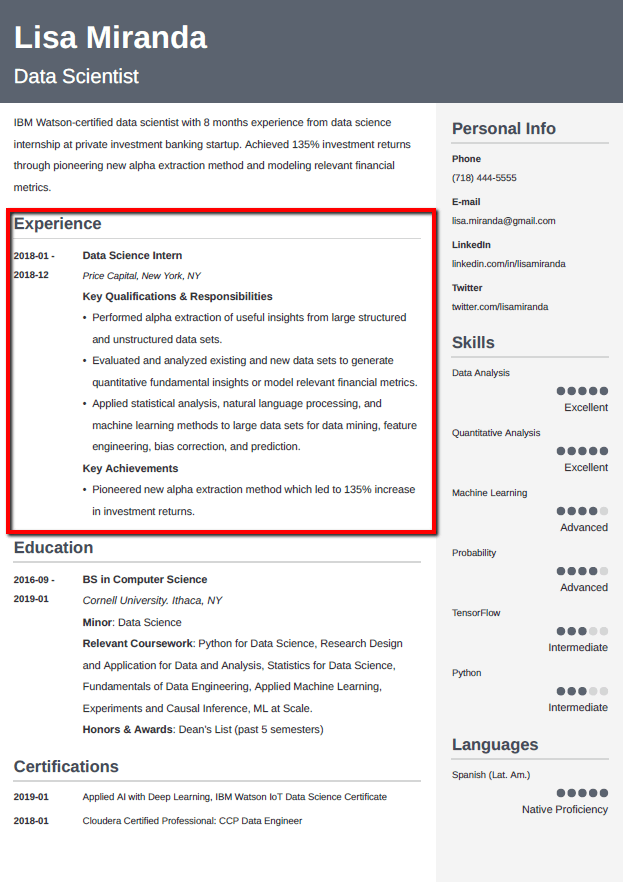
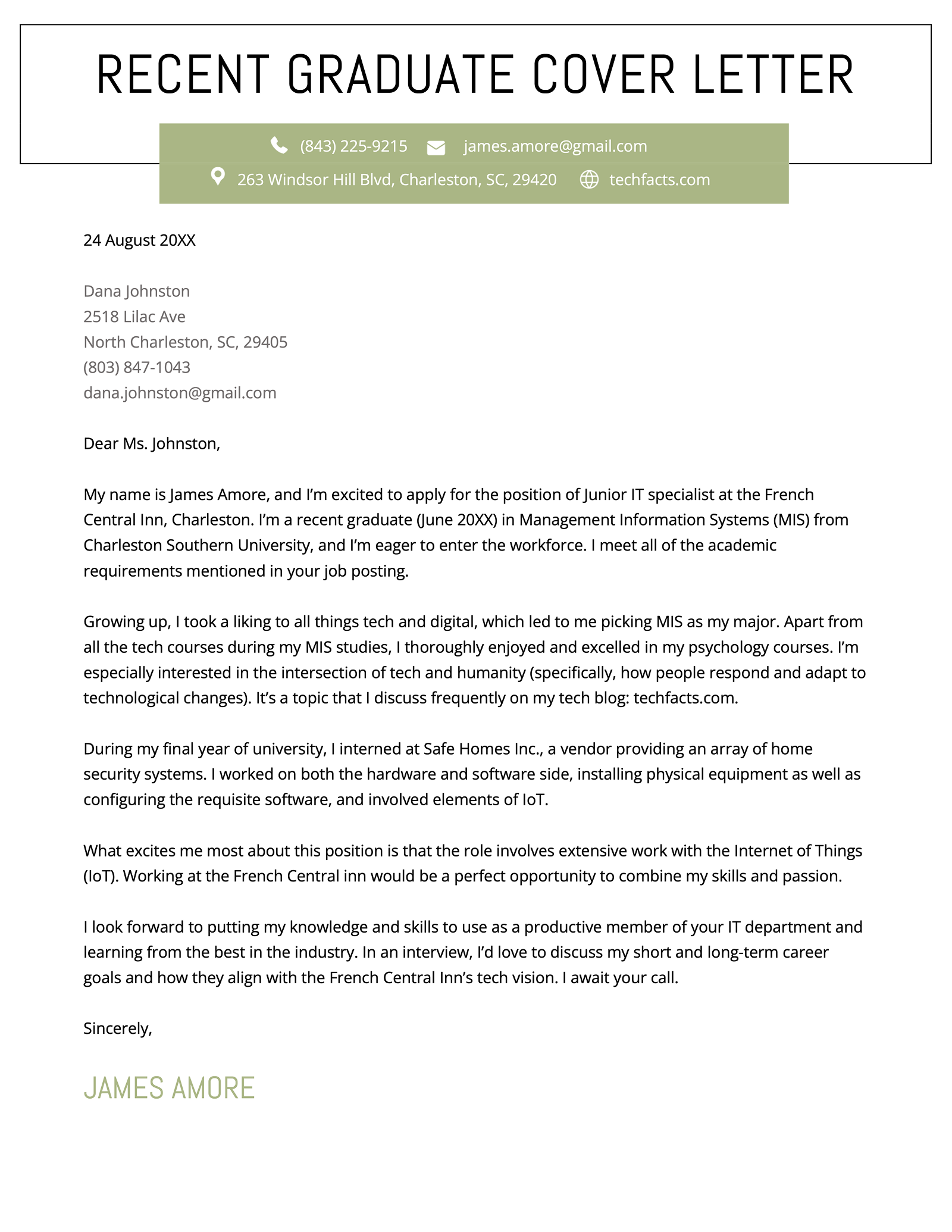
Once you decide on a direction, action becomes essential. Tailor your resume and cover letter to the chosen field by highlighting relevant skills and experiences. Even unrelated experiences can show transferable skills when explained clearly.
Networking also plays a major role in entry-level opportunities. Connecting with peers and professionals helps you learn faster and discover hidden opportunities. Building relationships early strengthens your career foundation.
Setting short-term goals keeps you focused. Learning new skills, seeking feedback, and taking small leadership opportunities help you grow during your first years. Progress builds confidence and opens new paths over time.


Conclusion
Choosing the right career path as a fresh graduate is a process, not a single decision. By understanding yourself, exploring realistic options, evaluating practical factors, and taking action with confidence, you build a strong foundation for long-term success. Careers evolve, and flexibility is part of growth. Starting with informed choices today creates better opportunities tomorrow.
References
Harvard Business Review – Career planning and early career advice
https://hbr.org
Indeed Career Guide – Entry-level career and job search resources
https://www.indeed.com
U.S. Bureau of Labor Statistics – Career outlook and industry trends
https://www.bls.gov
LinkedIn Career Advice – Graduate career development insights
https://www.linkedin.com