


Landing your dream job is a goal shared by many people, but achieving it requires more than sending applications randomly. In today’s competitive job market, employers are looking for candidates who understand current trends, communicate clearly, and demonstrate real value. With the right strategy, preparation, and consistency, it is possible to stand out and build a successful career.
Understanding the Modern Job Market
The job market today is shaped by technology, globalization, and changing work cultures. Many employers now value digital skills, adaptability, and problem-solving abilities just as much as formal education. Remote work and flexible employment options have become more common, opening opportunities beyond traditional office roles.
Job seekers who stay informed about industry trends and continuously improve their skills are better positioned for success. Learning new tools, improving communication skills, and staying updated with market demands help candidates remain competitive even when job opportunities are limited.



Building Strong Professional Connections
Networking plays a major role in finding job opportunities. Many positions are filled through referrals and professional connections before they are publicly advertised. Building genuine relationships with people in your industry can significantly increase your chances of hearing about opportunities early.
Online professional platforms allow you to present your experience and skills clearly. A strong profile should highlight what you do, what you are learning, and how you add value. Engaging with industry discussions and sharing useful insights can help you gain visibility and trust.
Offline connections are equally important. Attending workshops, seminars, or career events gives you the chance to meet professionals face to face. Showing genuine interest, listening actively, and maintaining contact over time helps build long-term professional relationships.



Creating an Effective Resume and Cover Letter
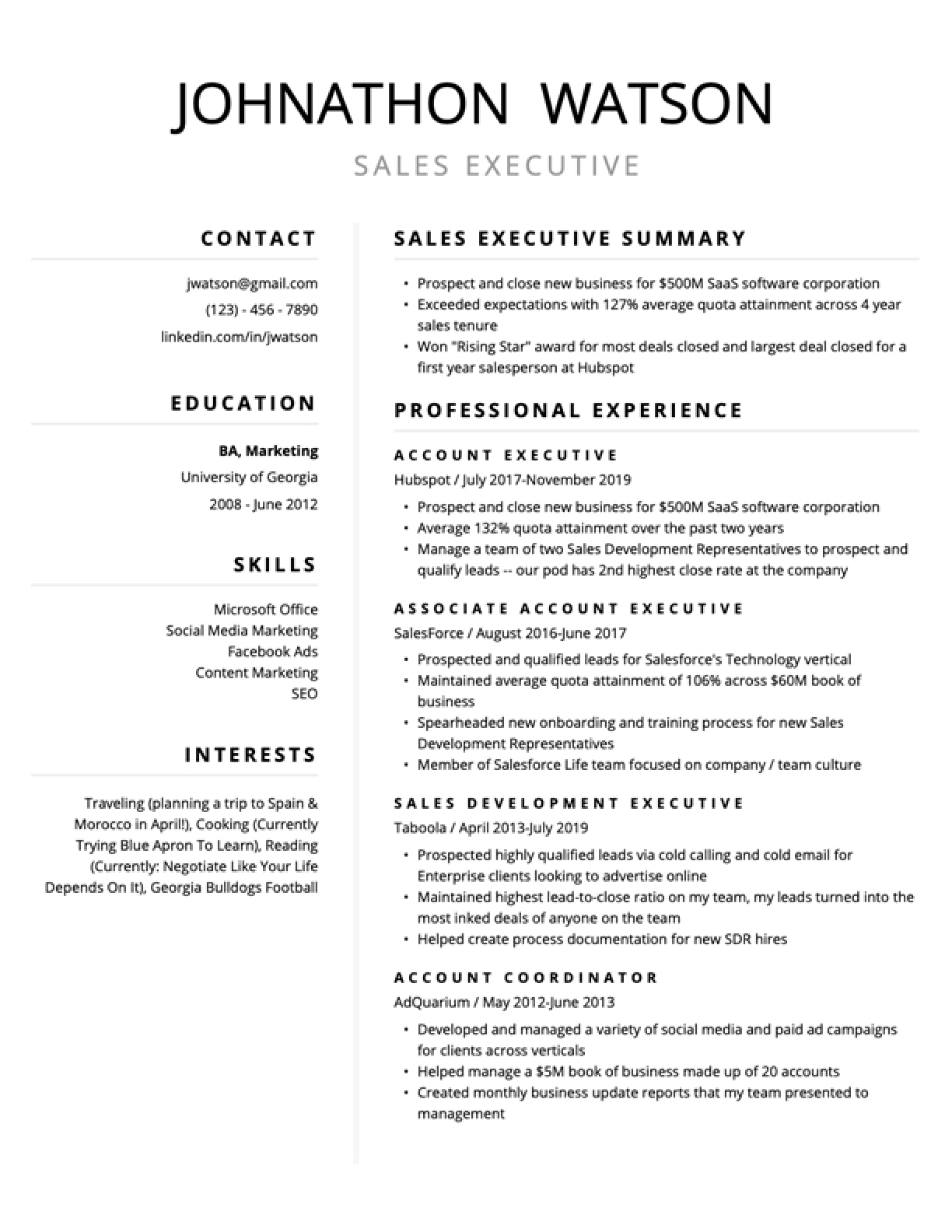
Your resume and cover letter are often the first impression an employer has of you. A clear, well-structured resume that focuses on achievements rather than duties helps employers quickly understand your value. Using simple language and measurable results makes your experience more credible and memorable.
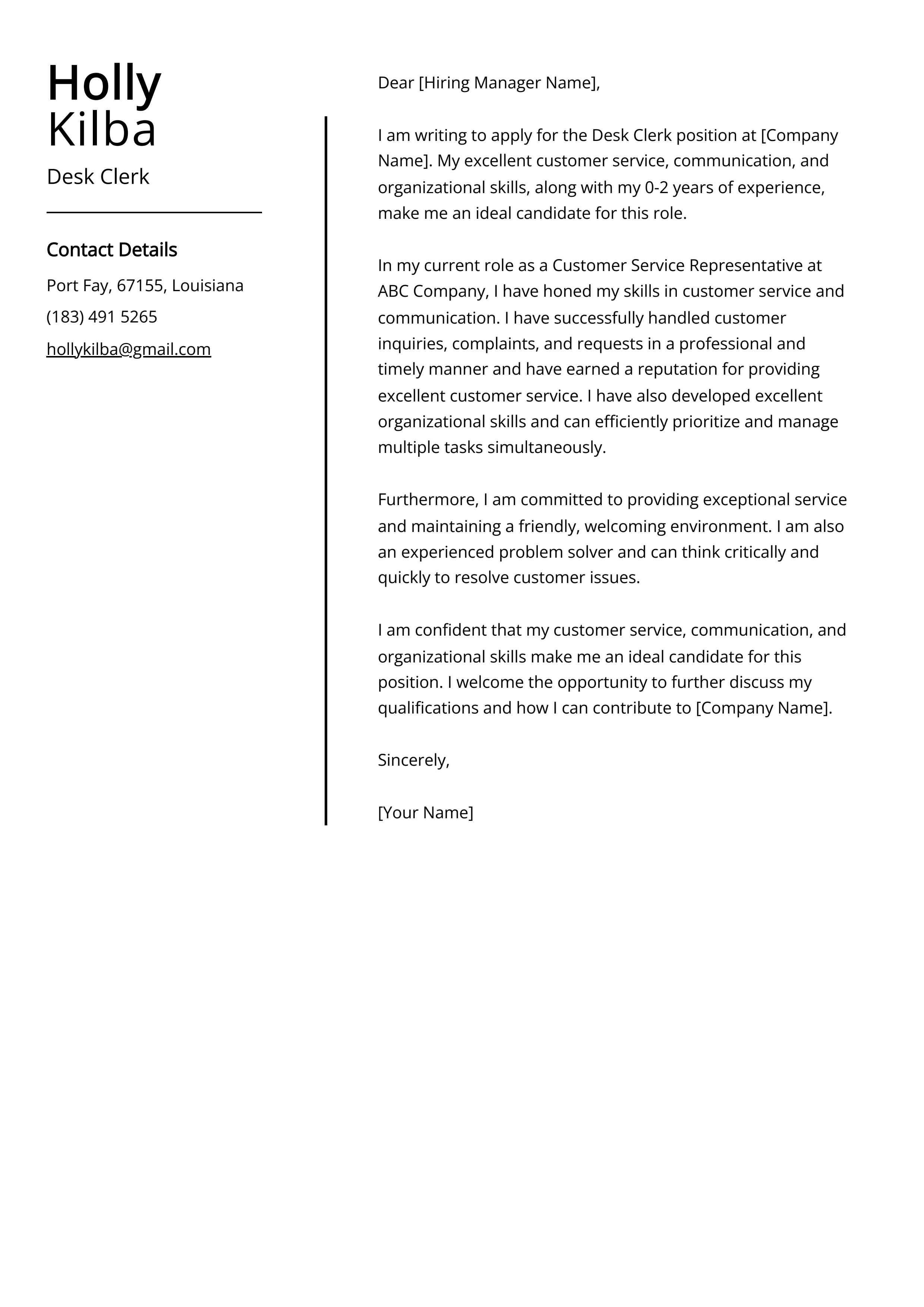
A strong cover letter explains your motivation and connects your skills to the employer’s needs. Tailoring each application shows that you are serious about the role and have taken time to understand the company. Avoid generic templates and focus on presenting your unique strengths.
Performing Well in Job Interviews
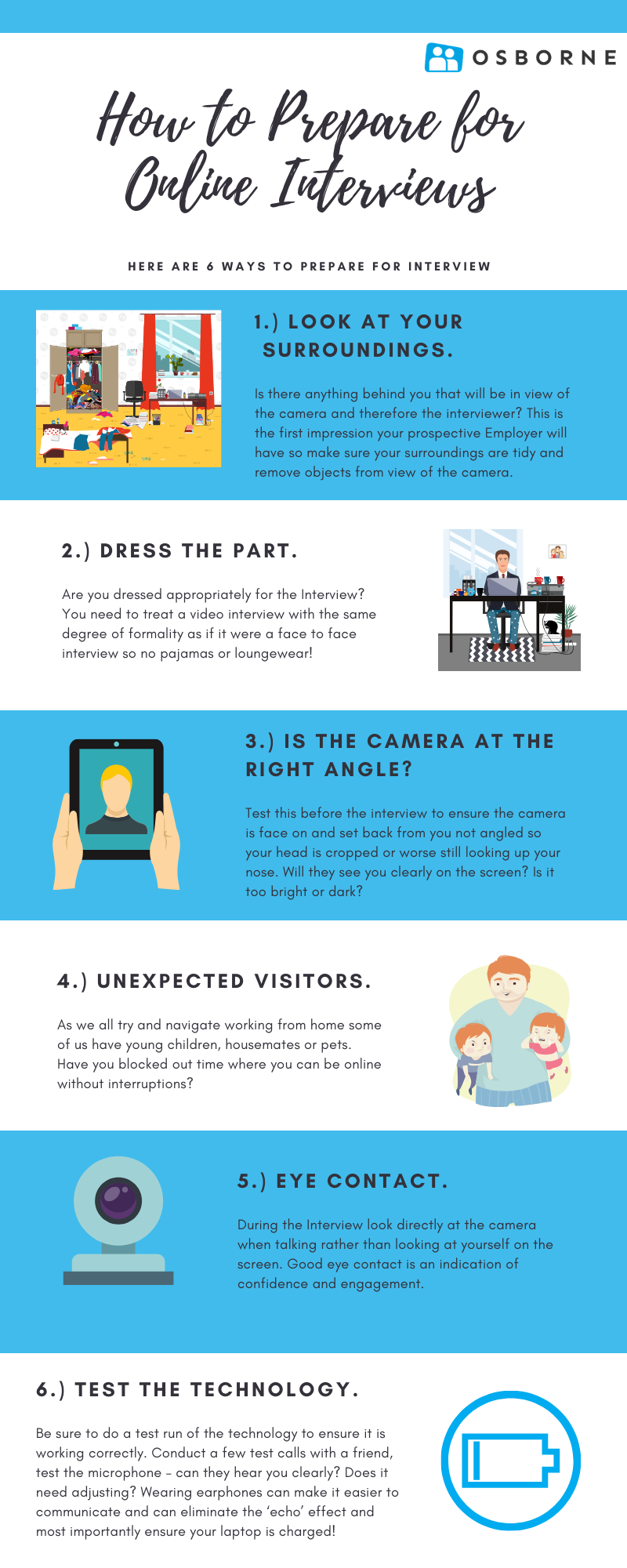
Interviews are an opportunity to demonstrate confidence, communication skills, and cultural fit. Preparing for common interview questions helps you respond clearly and calmly. Researching the company allows you to align your answers with its values and goals.
Practicing responses improves confidence and body language. Asking thoughtful questions during the interview shows genuine interest and enthusiasm. After the interview, sending a thank-you message leaves a positive impression and reinforces professionalism.


Staying Motivated During Your Job Search
Searching for a job can be challenging, especially when results take time. Staying organized, setting realistic goals, and continuing to learn new skills help maintain motivation. Every application and interview is a learning opportunity that improves your approach over time.
Consistency and patience are essential. By refining your strategy and staying adaptable, you increase your chances of long-term success.
Conclusion
Landing your dream job requires preparation, persistence, and a clear understanding of the job market. By building strong professional connections, presenting yourself effectively, and approaching interviews with confidence, you greatly improve your chances of success. With dedication and the right strategy, your dream career is within reach.
References
International Labour Organization (ILO) – Employment trends and workforce insights
https://www.ilo.org
U.S. Bureau of Labor Statistics – Career outlook and job market data
https://www.bls.gov
Harvard Business Review – Career development and professional growth articles
https://hbr.org
LinkedIn Career Advice – Job search and networking guidance
https://www.linkedin.com