



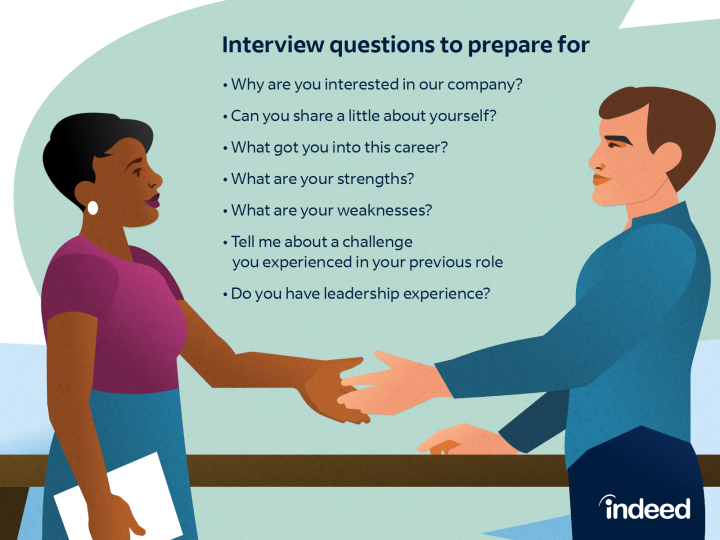
Common job interview questions can feel intimidating, especially when every answer seems to matter. Understanding how to respond confidently to common job interview questions helps candidates reduce stress and perform better during interviews.
This guide explains seven of the most common job interview questions and shows you how to answer them clearly and professionally. With the right preparation, you can turn nervous energy into a strong advantage.
Understanding Why Interviewers Ask Certain Questions
Interviewers are not trying to trick you. Their goal is to understand how you think, communicate, and handle real workplace situations. Instead of testing random facts, most interviews focus on behavioral and situational questions that reveal how you might perform on the job.
Employers care deeply about soft skills such as communication, adaptability, teamwork, and problem-solving. These qualities often matter more than technical skills because they affect how well you work with others and respond to challenges. When you understand this, interviews become less intimidating and more like structured conversations about real work experiences.


The Importance of Preparation Over Improvisation
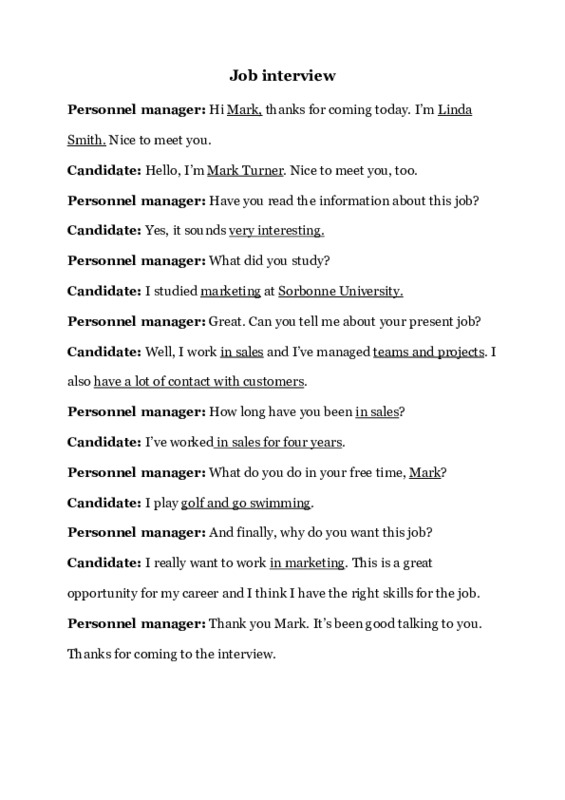
Preparation is the foundation of a successful interview. When candidates rely only on improvisation, answers often become unclear or unfocused. Preparing examples in advance helps you speak calmly and stay on topic.
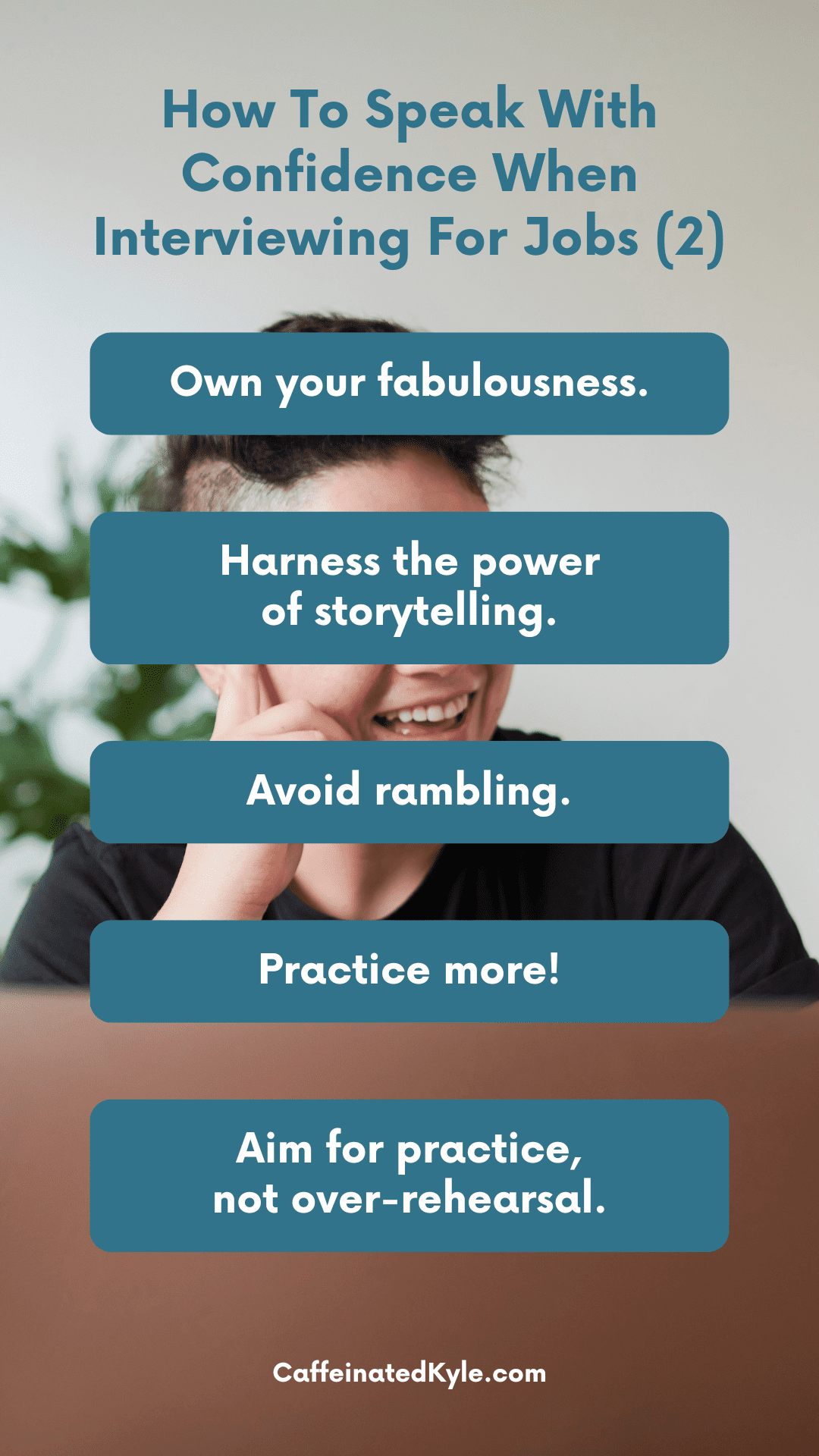
One of the most effective tools for interview preparation is the STAR method, which stands for Situation, Task, Action, and Result. This method helps you structure answers in a logical and concise way. Practicing your responses out loud makes them sound natural instead of rehearsed and builds confidence before the interview begins.
Question One: Tell Me About Yourself
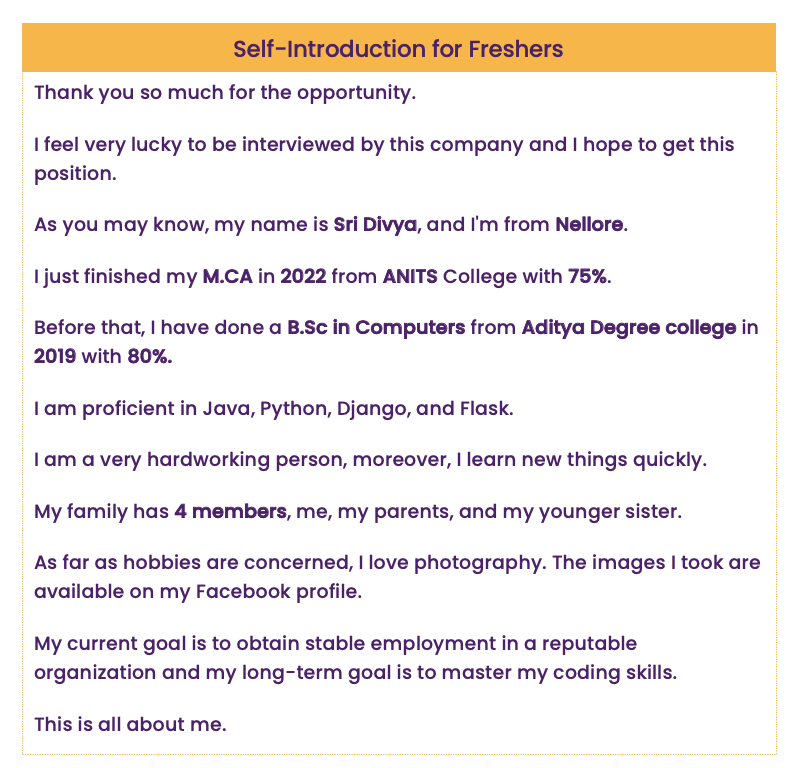
This question is almost always asked at the beginning of an interview. Interviewers want a brief professional summary, not your life story. A strong answer focuses on your current role, relevant experience, and what excites you about this opportunity.
A clear approach is to start with what you do now, mention a key achievement from the past, and finish by connecting your experience to the role you are applying for. Keeping your answer under one minute shows clarity and confidence.

Question Two: Why Do You Want This Job
This question measures motivation and preparation. Employers want to know if you genuinely care about the role or if you are applying randomly. Researching the company’s mission, values, and goals helps you give a strong answer.
A good response connects your skills and career goals with the company’s direction. Showing that you understand what the organization does and how you can contribute makes your interest feel authentic and professional.
Question Three: What Is Your Greatest Weakness
This question tests honesty and self-awareness. The best approach is to choose a real but manageable weakness and explain how you are actively improving it. Employers are not looking for perfection; they value growth and responsibility.
For example, you might explain a skill you are developing and describe the steps you have taken to improve. This shows maturity, accountability, and a willingness to learn.


Question Four: Tell Me About a Failure or Mistake
Everyone makes mistakes, and interviewers know this. What matters is how you respond and what you learn. A strong answer describes a challenge, explains what went wrong, and highlights how the experience helped you improve.
Focus on lessons learned and positive outcomes that followed. This shows resilience and problem-solving skills, which are highly valued in any workplace.
Question Five: What Is Your Biggest Achievement
This question gives you a chance to demonstrate your value. Choose an achievement that is relevant to the job and explain its impact. Using numbers or measurable results makes your story stronger and more credible.
Structured answers using the STAR method help interviewers clearly understand your contribution and results.



Question Six: How Do You Handle Conflict at Work
Conflict happens in every workplace, and employers want to know how you manage it professionally. Choose an example that shows communication, empathy, and problem-solving rather than blame.
Explain how you listened, addressed the issue calmly, and worked toward a solution. Ending your answer with a positive outcome demonstrates maturity and teamwork.
Question Seven: Do You Have Any Questions for Us
This final question is often underestimated, but it is extremely important. Asking thoughtful questions shows interest, preparation, and confidence. Good questions focus on the role, team dynamics, or company goals.
Avoid asking about salary or benefits in the first interview unless the interviewer brings it up. Instead, ask questions that show curiosity about growth, expectations, and collaboration.



Conclusion
Job interviews do not have to be overwhelming. By preparing for the most common interview questions, understanding what employers are really looking for, and practicing structured answers, you can approach interviews with confidence. Interviews are not interrogations; they are conversations about fit, skills, and potential. With preparation and the right mindset, you can turn interviews into opportunities and move closer to landing the job you want.
References
Harvard Business Review – Interview preparation and career advice
https://hbr.org
LinkedIn Career Advice – Common interview questions and answers
https://www.linkedin.com
Glassdoor Career Guides – Interview tips and employer insights
https://www.glassdoor.com
Indeed Career Guide – Job interview preparation resources
https://www.indeed.com