



First day at work mistakes can easily affect the impression you leave on your new employer and colleagues. Understanding common first day at work mistakes helps new employees prepare better, avoid awkward situations, and start a new job with confidence.
This guide explains the most common first day at work mistakes and how to avoid them, so you can start your new role confidently and build trust from day one
Preparing the Right Way Before Your First Day
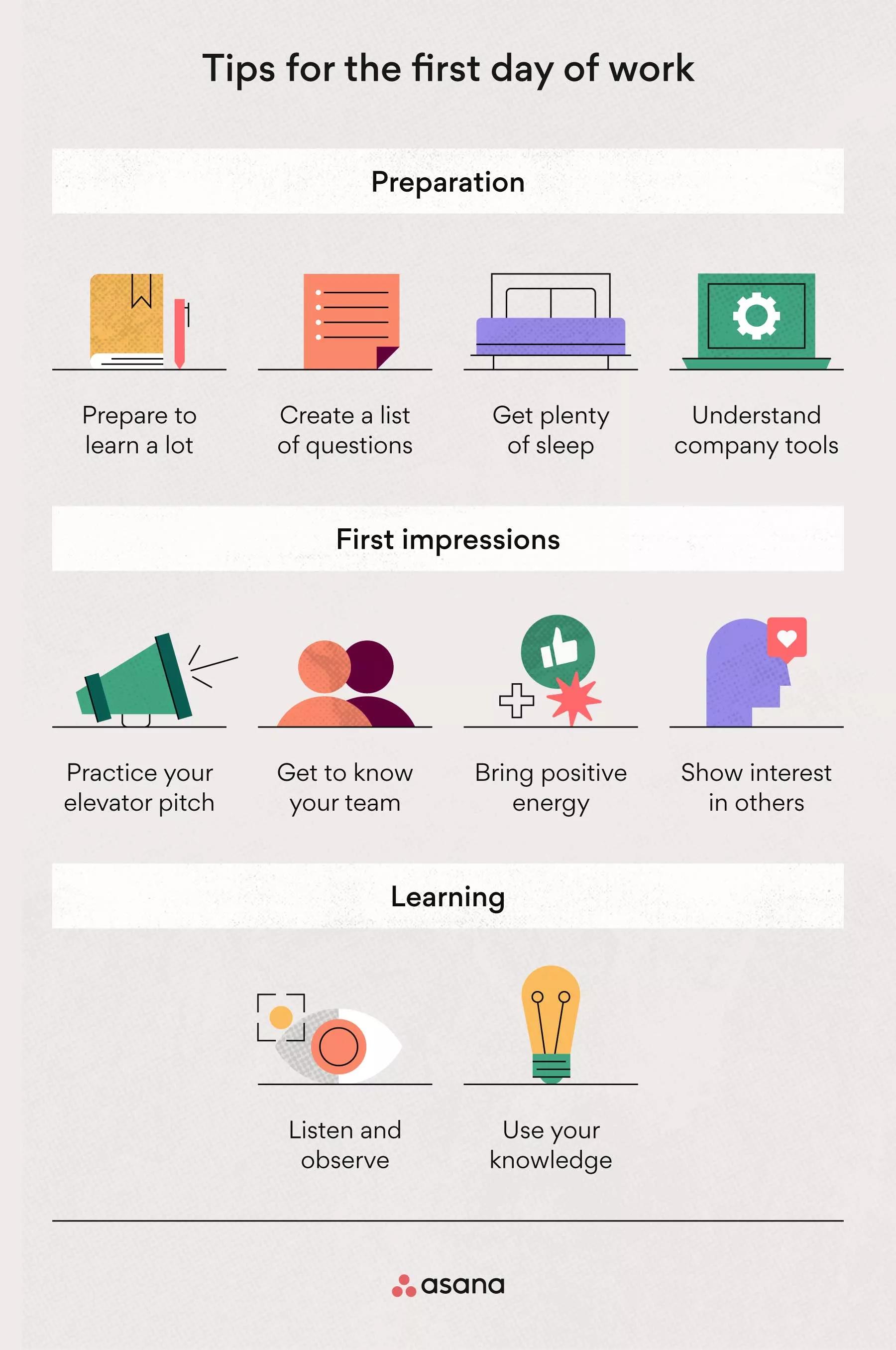
Preparation sets the tone for your entire first week. Showing up organized and ready helps you feel calm and professional instead of rushed and stressed.
Arriving at the right time is more important than many people realize. Being late creates a negative impression immediately, while arriving too early can disrupt the workplace. Aim to arrive about ten to fifteen minutes early. For remote roles, logging in a few minutes before your start time shows reliability.
Another common first day at work mistake is ignoring basic logistics. Before your first day, confirm your start time, dress code, work location, and required documents. If you are working remotely, test your internet connection, software access, and video tools in advance. These small steps prevent unnecessary stress and technical issues.
Learning basic information about your team also helps. Knowing names, roles, and reporting lines makes introductions smoother and shows respect for your new colleagues.


Communication Mistakes That Hurt First Impressions
What you say on your first day can shape how colleagues perceive you long-term. Strong communication builds trust, while careless comments can create distance.
One of the biggest mistakes new employees make is talking negatively about previous jobs or managers. Complaining early creates a poor impression and raises concerns about attitude. Focus instead on what you are excited to learn and contribute in your new role.
Another common issue is dominating conversations. On your first day, listening is more important than talking. Allow others to explain processes, ask thoughtful questions, and show curiosity. Interrupting or trying too hard to impress can make you seem impatient or arrogant.
Using unfamiliar jargon or asking questions that are already explained in onboarding materials can also hurt credibility. Reviewing basic documents first allows you to ask smarter, more relevant questions.


Technology and Digital Etiquette Errors to Avoid
Technology plays a major role in modern workplaces, and digital mistakes are often noticed quickly. Managing your devices professionally is essential on day one.
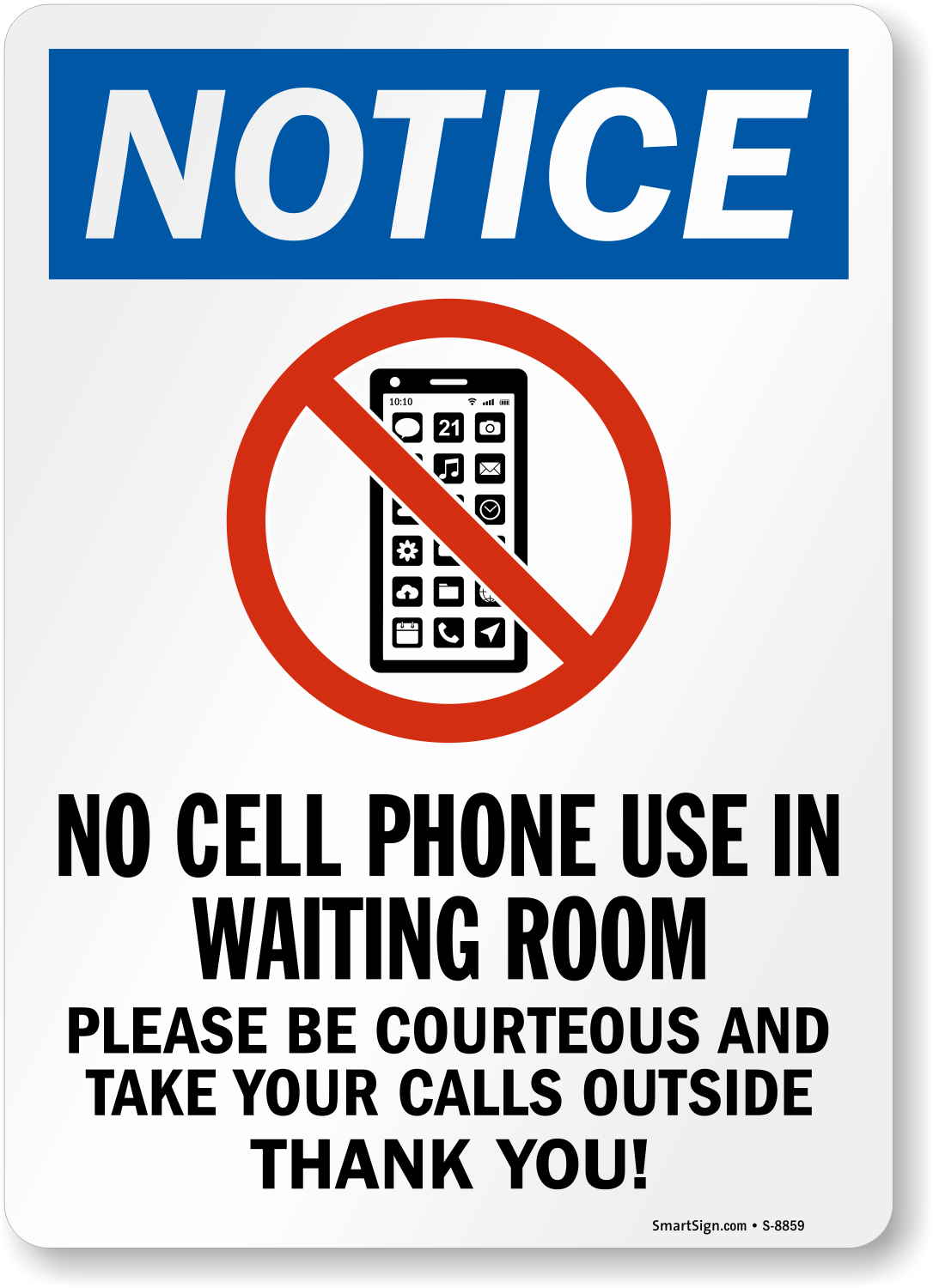
Using your phone during meetings or introductions sends the wrong message. Silence notifications and stay focused on the conversation. This shows respect and engagement.
Social media can also create problems for new employees. Posting about your new job, office space, or internal systems without permission may violate company policies. It is best to wait until you understand the organization’s guidelines before sharing anything publicly.
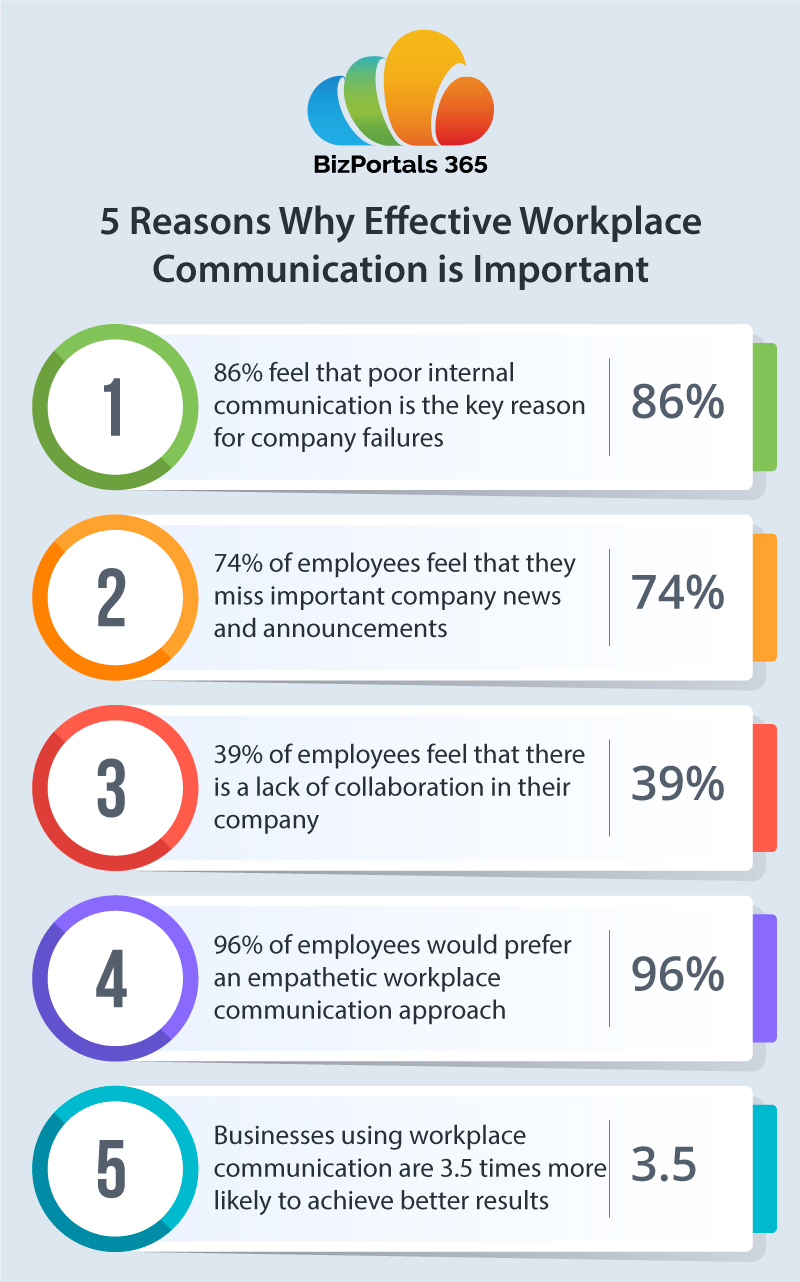
Internal communication tools such as email, Slack, or Teams require attention as well. Responding promptly, even with a short acknowledgment, shows reliability and teamwork.


Attitude Mistakes That Can Damage Trust
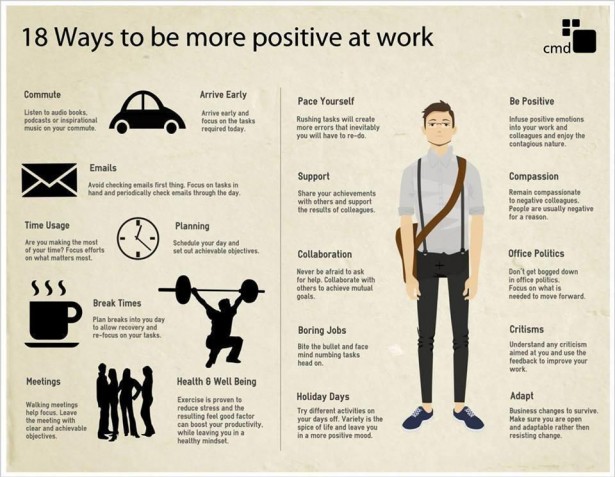
Your attitude often matters more than your skills during the first few days. Employers expect learning, not perfection.
Overconfidence is a common first day at work mistake. While confidence is important, acting like you already know everything can alienate coworkers. Showing humility and openness to learning helps you integrate smoothly into the team.
Body language also plays a key role. Avoid poor eye contact, closed posture, or distracted behavior. Simple actions like smiling, greeting colleagues, and showing interest make you approachable and professional.
Taking onboarding seriously is another important factor. Paying attention, taking notes, and asking relevant questions demonstrate motivation and respect for the process.


Following Up Correctly at the End of Day One
Many people overlook the importance of ending the first day well. Clarifying expectations helps you start the second day with confidence.
Before leaving, confirm your immediate priorities and schedule for the next day. Ask what tasks you should focus on first and who to contact if you have questions. This shows initiative and responsibility.
Documenting important information is equally important. Writing down usernames, tools, procedures, and key contacts reduces confusion and prevents repeated questions.
Confirming your next start time, meeting locations, or remote links ensures there are no misunderstandings.



Conclusion
Your first day at work is not about being perfect; it is about being prepared, respectful, and willing to learn. By avoiding common first day at work mistakes, communicating thoughtfully, managing technology professionally, and showing a positive attitude, you set a strong foundation for long-term success. A calm and focused first day builds confidence and helps you integrate smoothly into your new role.
References
Harvard Business Review – First impressions and workplace behavior
https://hbr.org
Indeed Career Guide – First day at work tips
https://www.indeed.com
LinkedIn Career Advice – Starting a new job successfully
https://www.linkedin.com